✈ Explore More. Travel Better

Atlas Mountains solo travel is one of the easiest ways to escape the heat and crowds of Marrakech. The High Atlas rises less than two hours from the city, with Amazigh villages, walnut groves, waterfalls and Mount Toubkal, the highest peak in North Africa. You can come for a single day trip or spend several days hiking from village to village, and guesthouses and guided treks make it simple to go alone.
This guide covers when to go, where to base yourself, how to get there, how to stay safe on the trails and which valleys are worth your time.
Best for: hikers, nature lovers, photographers and travelers who want a break from the medinas.
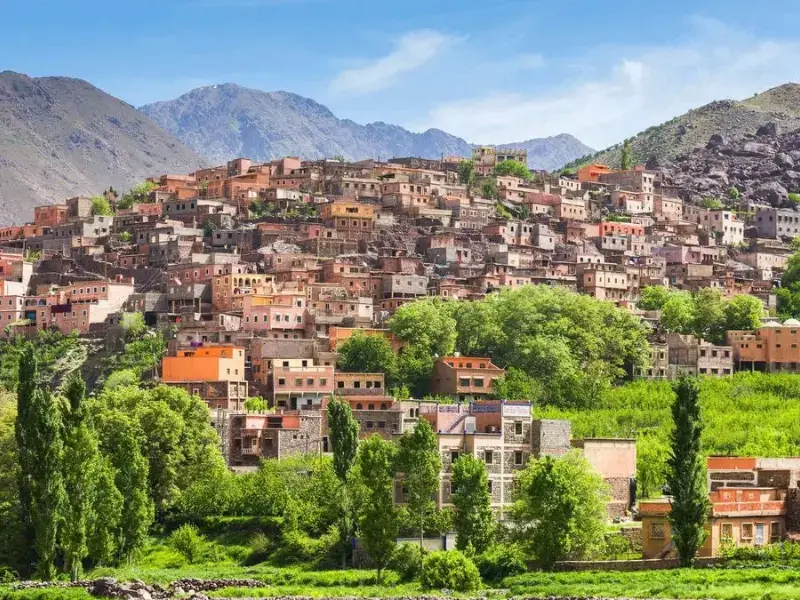
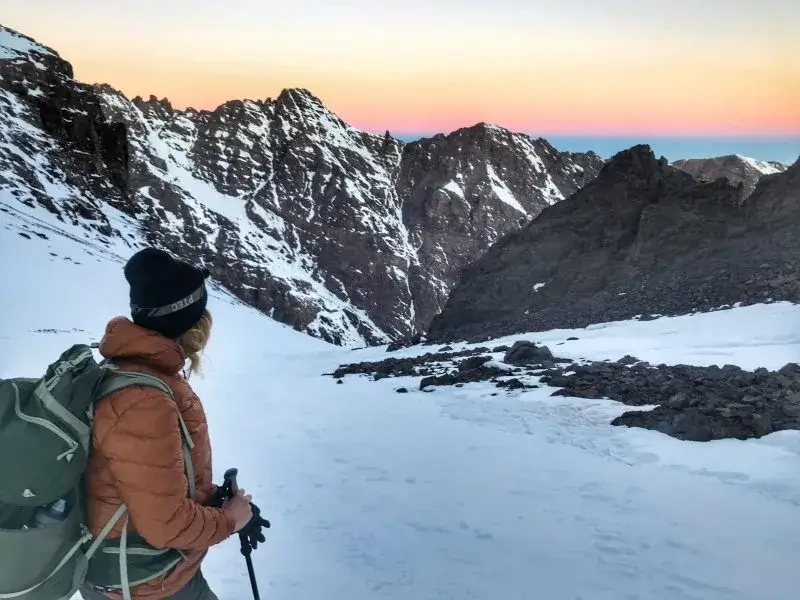
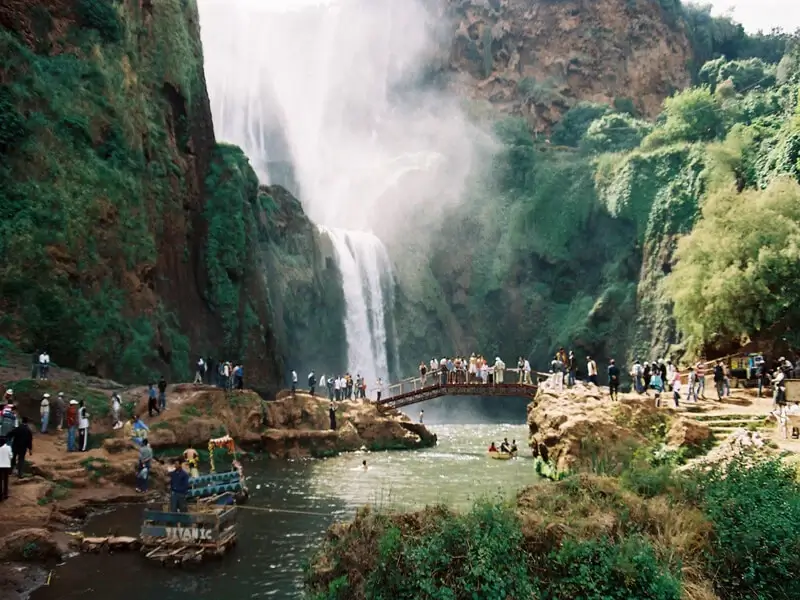
The best time for hiking is spring (April to June) and autumn (September to October), when trails are clear and temperatures are comfortable. Summer is a good escape from Marrakech’s heat, but afternoons can still be hot at lower altitudes. Winter brings snow in the high mountains, and climbing Toubkal then needs proper equipment and experience, so check conditions and go with a guide.
Plan for 1 day for a simple trip to Imlil or the Ourika Valley, 2 days for the classic Toubkal climb, or 3 to 5 days if you want to trek between villages. Most people base themselves in Marrakech and arrive by shared taxi, organized tour or private transfer. Arabic, French and Tamazight are widely spoken, and you’ll find English at guesthouses and trekking offices in Imlil.
Yes, if you prepare well. Many solo travelers hike in the High Atlas every year, including women. The main risks are not crime but weather, altitude, steep trails and winding mountain roads. A few habits make a big difference:
Pick your base by how far you want to go from Marrakech.
Budget: Simple guesthouses and hostels, great for meeting other hikers.
Mid-range: Guesthouses with a terrace, mountain views and dinner included.
Luxury: Boutique lodges and eco-lodges with spa facilities.
Want more detail? Read our guide: Best Guesthouses in Imlil for Solo Travelers
Two to three days is enough for the main sights. Add one or two more if you want a desert or mountain trip.
Yes. It has many social hostels, group tours and classes, and it’s easy to meet other travelers.
March to May and September to November offer the most comfortable weather.
Yes. Carry small bills for souks, taxis and cafes, as many small places don’t take cards.
Take a petit taxi (agree on the price first), ask your riad to arrange a transfer, or use a ride-hailing app.
Generally yes, especially if you dress modestly, stay in a well-reviewed riad and avoid empty alleys late at night.
The High Atlas connects easily with Marrakech and the south. Times are approximate.
Planning in more detail? These guides cover Atlas itineraries, Toubkal, guesthouses and safety, all written for solo travelers
The Atlas Mountains are just the beginning. Explore our guides to other cities, day trips and solo travel tips to plan the trip that fits you.